Add to Cart: Humanity Optional
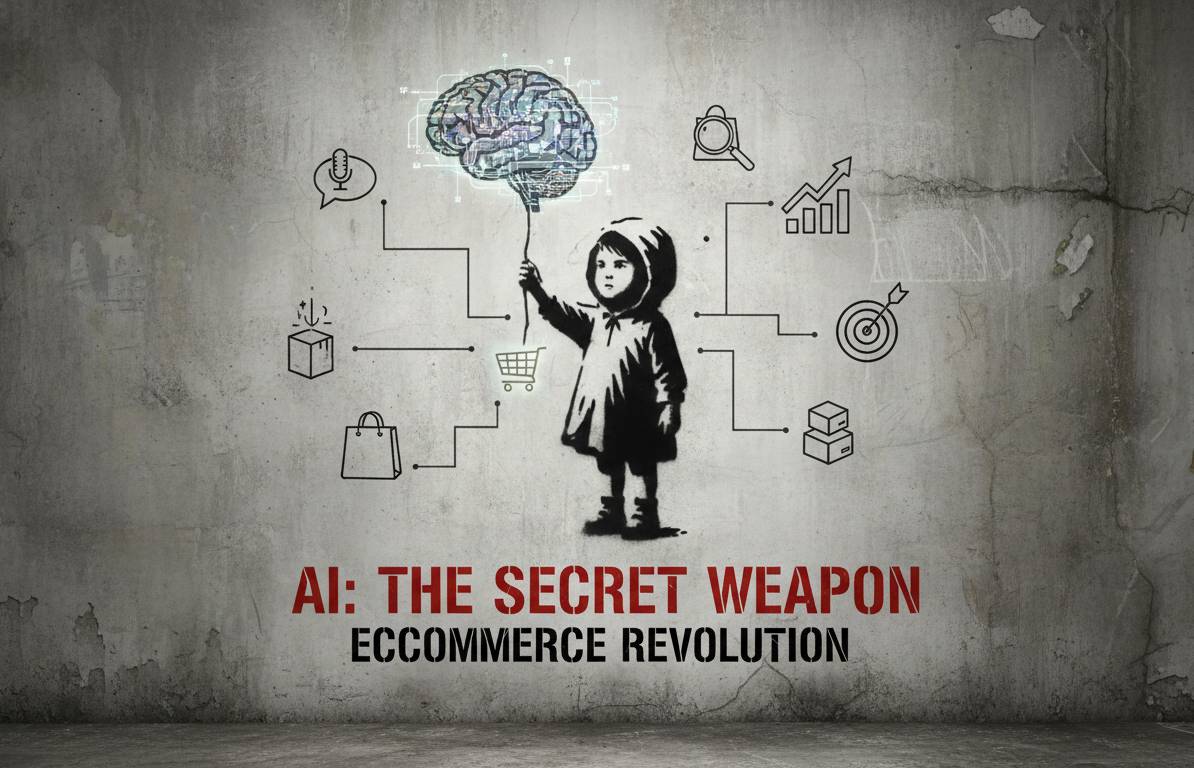
In today's fast-paced digital marketplace, AI (Artificial Intelligence) agents are becoming the secret weapon behind many successful online stores. Imagine having a smart assistant that works 24/7 to improve your store's performance—handling customer questions, personalizing the shopping experience, optimizing ads, and even managing inventory. AI agents can do all of this and more, helping eCommerce brands stay competitive and deliver great experiences to shoppers around the clock. For eCommerce owners, this means understanding AI's role is more important than ever. In this post, we'll explore how AI agents are transforming every step of the eCommerce journey.
Customer Service: Round-The-Clock Support With Chatbots
In online retail, fast responses are expected. AI-powered chatbots handle many customer questions instantly, making sure shoppers never wait on hold. These virtual assistants chat with customers like a friend, understanding queries and replying in a friendly, natural way.
Some key benefits of using chatbots include:
Instant answers: No more long holds or 3-day email waits. Chatbots answer FAQs right away, boosting customer satisfaction.
Always-on service: Your store never closes. Even at midnight, the AI agent handles inquiries while your team sleeps.
Smooth handoff: If a question is complex, the bot instantly passes it to a human rep, routing the conversation to the right expert.
Multilingual help: Chatbots can speak many languages, letting you serve international customers without extra hiring.
Cost-effective support: Automating routine questions cuts costs and frees your team to focus on high-value tasks.
Even a small eCommerce team can suddenly handle far more inquiries by using a chatbot. Most customer questions (like order status or returns) are routine, and the AI can answer them directly, leaving humans to tackle the unusual cases. The result is happier customers, faster answers, and a more efficient service operation.
Personalization: Tailoring Experiences to Each Shopper
Personalization is a big way AI transforms online shopping. Instead of a one-size-fits-all store, AI tailors the experience for each visitor. By analyzing past purchases and browsing behavior, AI agents serve up products that each customer is likely to love.
Practical ways AI boosts personalization include:
Dynamic homepage: The website adapts to each visitor. For example, returning customers might see products in categories they shopped before.
Targeted emails and ads: AI helps send the right email or ad to the right person at the right time. If someone abandoned a cart, for instance, AI can trigger a reminder or special offer automatically.
Personalized search results: AI-driven search engines understand what shoppers mean. If a customer types “silver running shoes,” the AI picks the most relevant products and even suggests corrections for typos.
These personal touches make shopping feel more engaging. Customers feel understood when they see products and messages tailored just for them. This often leads to higher conversion rates and repeat business, because people are more likely to buy when the store seems to know their needs.
Marketing Automation: Smarter Campaigns and Retargeting
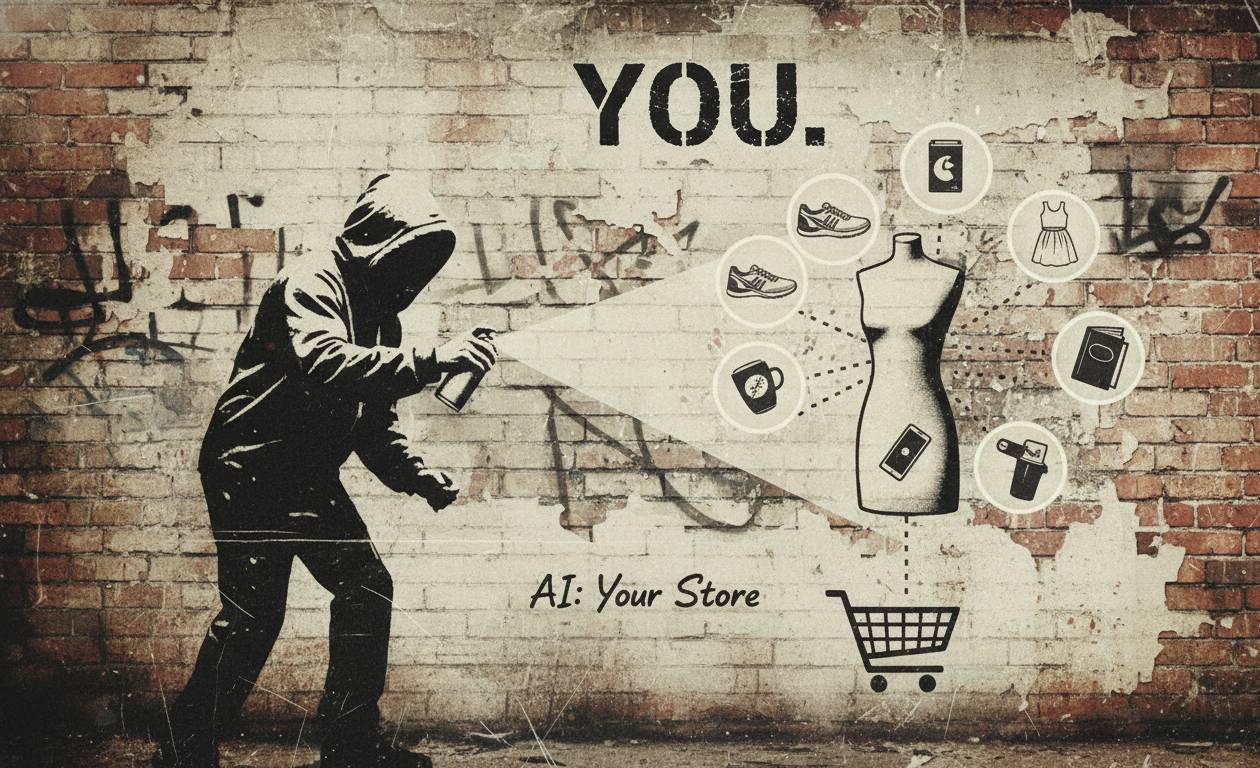
AI takes the guesswork out of marketing. By analyzing customer behavior data, it automates and optimizes marketing tasks that used to be manual and time-consuming.
Key ways AI helps with marketing include:
Automated email campaigns: AI chooses the best time to send emails and personalizes content. It can even A/B test subject lines and formats to see what gets the best responses.
Retargeting ads: If a visitor leaves your site without buying, AI automatically shows them ads on social media or search for the exact products they viewed, nudging them to come back.
Ad spend optimization: AI monitors which ads and audiences are converting, and shifts budget in real time to the highest-performing channels.
These tools let marketing run on autopilot in many ways, continually improving results from the data. Your team can focus on creative strategy while AI fine-tunes the campaigns.
Product Recommendations: Boosting Sales With Smart Suggestions
Recommendation engines suggest items that customers are likely to add to their carts, based on patterns from all shoppers.
Some popular ways they appear on a site:
Cart upsells: On the cart or checkout page, AI might recommend add-on items or accessories that pair with what’s already in the cart.
Personalized homepage: AI customizes the products shown on home or landing pages so each visitor sees items that match their interests.
These suggestions work behind the scenes and can have a big impact. By gently cross-selling and up-selling products based on each shopper's behavior, recommendation engines help customers discover items they would enjoy. This often means bigger orders and higher sales without being pushy.
Inventory and Supply Chain Management
AI also powers the behind-the-scenes of your store: inventory and logistics. Keeping just the right amount of stock and shipping it efficiently is crucial as you grow, and AI agents can help a lot in this area.
For example:
Automated reordering: With good forecasts, the system can automatically place orders with suppliers when inventory runs low, avoiding stockouts (or overstocking).
Warehouse automation: In warehouses, AI-powered robots or smart systems pick, pack, and move items efficiently. This speeds up fulfillment and reduces errors.
Delivery optimization: AI finds the fastest, cheapest routes for shipping. It might adjust delivery plans in real time to ensure on-time arrival at lower cost.
These AI tools work behind the scenes to keep operations running smoothly. For instance, if AI notices coats selling out quickly as winter nears, it can flag that to restock before the rush. Or if sales suddenly slow down on a product, AI can alert you so you can run a promotion. The result is fewer stock surprises and smoother order fulfillment.
Virtual Shopping Assistants
Virtual shopping assistants take the shopping experience to another level. Imagine a personal helper built into your store that guides each customer through finding and buying products.
For example:
Visual search: Shoppers upload or snap a photo of an item they like (e.g. a shirt with a pattern). AI searches your catalog for similar products, even if the photo isn’t from your store.
Chat-based buying and info: On your website or messaging apps, customers can chat with the AI assistant to ask questions (material, sizing, etc.), add items to their cart, and even complete checkout within the chat. This conversational approach reduces confusion and abandoned carts.
Virtual assistants add a human touch to eCommerce. They keep browsers engaged and help them quickly find exactly what they want. Many customers find chatting with an assistant more natural than drilling through menus, which can boost sales and satisfaction.
Post-Purchase Engagement
The sale doesn’t end when someone clicks “Buy Now.” AI agents help keep customers engaged after purchase, which builds loyalty and repeat business.
For example, AI can:
Manage subscriptions and reorders: If you sell consumable goods (like supplements or pet food), AI can predict when a customer will need more and send a timely reminder or even automate a reorder.
Request reviews and feedback: A few days after delivery, AI can send a polite request for a product review or customer feedback. If someone doesn’t reply, it can gently follow up to gather more responses.
These small touches, handled seamlessly by AI, make customers feel valued. It encourages them to come back. Repeat customers are often more profitable than one-time buyers, so post-purchase AI care can really boost your bottom line.
Data Insights: Making Smarter Decisions
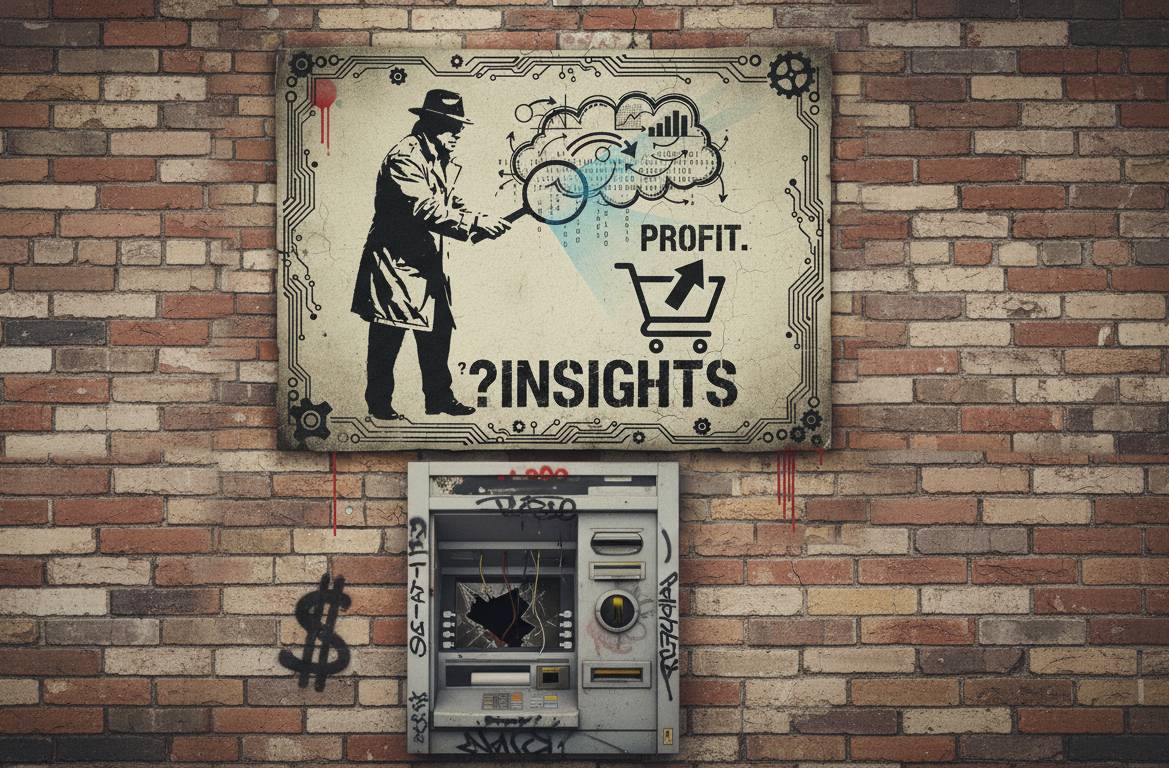
AI does more than automate tasks; it learns from all the data flowing through your business. Smart analytics tools use AI to turn your sales and customer data into clear insights and predictions. For example, AI can:
- Monitor sales trends and spot hot products in real time.
- Discover new customer patterns, like emerging market segments or changes in buying habits.
- Predict key metrics (like projected sales next month or customer churn rates), helping you plan promotions and stock levels.
By using these insights, you can make data-driven decisions on everything from product launches to marketing strategies, turning raw data into profit.
In practice, these AI tools form a network of smart helpers behind your store. They work on the front end (customer interactions, personalizing experiences, handling marketing) and the back end (inventory, logistics, data analysis) all at once. The end result is a smoother operation and a better shopping experience.
Some concrete benefits of using AI in your eCommerce include:
Happier customers: Instant support and a shopping experience tailored to each shopper’s needs make people more satisfied and loyal.
Lower costs: Automating routine tasks like support queries and inventory management saves money and reduces errors.
More efficient marketing: AI targets ads and email campaigns to the right audiences, getting better results with your budget.
Smarter inventory: Predictive analytics help you stock the right products, avoiding sold-out situations or excess stock.
All of these advantages add up. You spend less time firefighting daily issues and more time growing the business, while customers enjoy a modern, personalized shopping experience.
Looking ahead: The future of AI in ecommerce
And the story doesn’t end here. AI is constantly improving, and the next wave of tech will make online shopping even more exciting. Soon, shoppers might simply speak to a voice assistant or use augmented reality to virtually try on products. AI could even generate images or copy for new products, making your marketing faster.
Every new advance will make the shopping journey smoother, for you and your customers. And it gets even more exciting. As AI evolves, new tools will automate even more tasks that used to need human work. Today you might already see AI tools writing product descriptions or designing promo images; soon, even tasks like translating your store into multiple languages or analyzing thousands of customer reviews will be done for you. Voice-activated shopping and in-home virtual try-ons will become common, making buying as easy as talking to your device or pointing a phone camera.
The great news is this: technology that once was expensive and complex is now accessible to even small stores. By starting to use AI agents today, you gain a head start. Your store will feel cutting-edge to customers, and you'll be well-prepared when the next big innovation arrives. AI in eCommerce isn’t just a passing trend—it’s the engine driving the future of retail. Embracing AI now helps ensure your brand stays ahead of the curve.