AI Steps Into the Store and Cuts the Middleman
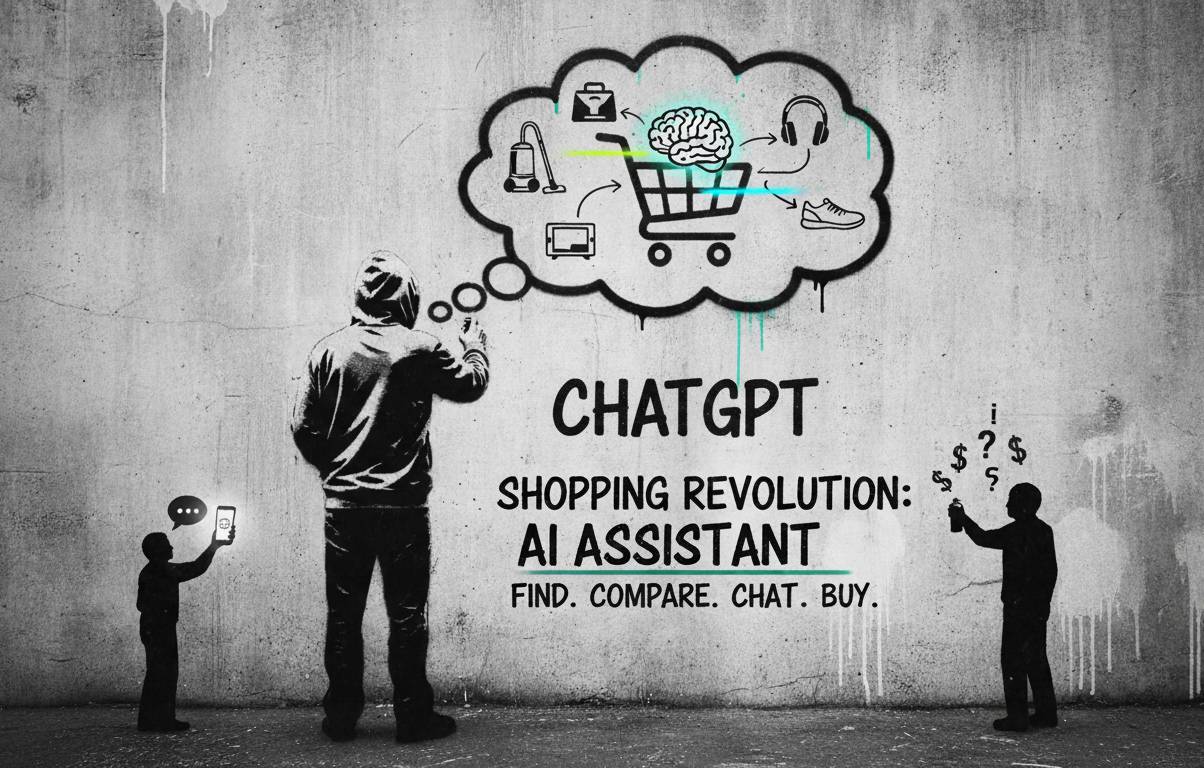
OpenAI has introduced a new AI shopping assistant inside ChatGPT called Shopping Research, designed to help users find, compare, and evaluate products directly within the chat interface. When someone asks a shopping-related question, ChatGPT automatically suggests or launches this tool. Users simply describe what they need — for example, “quiet stick vacuum under $300” or “three Bluetooth speakers for a $200 total budget.” The system then follows up with clarifying questions about priorities such as size, features, or price range to narrow the search.
Shopping Research gathers real-time product data from the web, including prices, specifications, reviews, images, and availability from trusted retailers. Items appear one at a time, and the user can label each option as “Not interested” or “More like this,” providing quick feedback that shifts the results in real time. After a few minutes, the assistant compiles a personalized buyer’s guide outlining top picks, trade-offs, and links to retailers — essentially condensing the comparison process that would normally require checking multiple sites.
The feature is intended for more complex shopping queries with many variables. For simple factual requests, the standard ChatGPT response remains faster. However, for electronics, home goods, sports equipment, and other specification-heavy categories, Shopping Research is designed to produce a more thorough, research-driven output.

Under the hood, the tool runs on a specialized GPT-5 model trained for shopping tasks. It reads product pages and reviews from reputable, non-advertising sources and treats all items neutrally. OpenAI also states that user chat data is never shared with retailers. The feature is available to all logged-in ChatGPT users — both free and paid — on web and mobile, with nearly unlimited access offered through the end of the year to support holiday shopping.
From a brand perspective, this represents a meaningful change in product discovery. The assistant may drive more targeted, high-intent traffic to a retailer’s site if a product aligns well with a user’s described needs. Analysts have noted that this creates a new discovery channel outside traditional search engines and marketplaces. Some early evaluations, including one from TechCrunch, suggest that ChatGPT’s shopping features could challenge conventional e-commerce funnels.
The risk side is equally clear. Because Shopping Research prioritizes objective value — specs, pricing, availability, and reviews — products with weak, incomplete, or outdated online data may be overlooked or ranked poorly. Brands must ensure that product pages are accurate, up to date, and rich in the details shoppers actually care about. OpenAI’s own documentation advises merchants to participate in an allowlisting process to ensure their items can appear in results.
Maintaining high-quality public product data becomes essential. Pricing and stock levels should be current; specifications, features, and images should be complete and easy for an AI system to interpret. Merchants selling online may also consider OpenAI’s Instant Checkout option, which allows users to purchase directly from ChatGPT when enabled.
Testing the tool with queries related to one’s own products can reveal which competitors appear and how items are being compared. These insights highlight data gaps and competitive positioning issues. While the system is strong, it is not flawless — occasional inaccuracies in pricing or availability can occur. OpenAI encourages users to confirm final details on retailer sites, which means those sites need clear, accurate information to avoid confusion.
Privacy protections are built in. User conversations with ChatGPT remain private, and product recommendations are generated entirely from publicly available retail data. No brands pay for placement, and no chat content is shared with sellers. This reinforces the importance of a strong, well-maintained public web presence for every product line.

For brand owners and e-commerce teams, the broader implication is straightforward: AI shopping assistants are becoming a new starting point for product discovery. As more consumers begin their buying journey by describing their needs in natural language, visibility will depend on the clarity and completeness of publicly accessible product information.
Keeping product data current, participating in OpenAI’s merchant programs, and monitoring how AI tools surface items in a given category will become crucial steps in maintaining (and expanding) reach. In this new environment, accurate data is not just useful — it is the primary way products are found.