Cheap No More: The Algorithm Found Its Wallet.
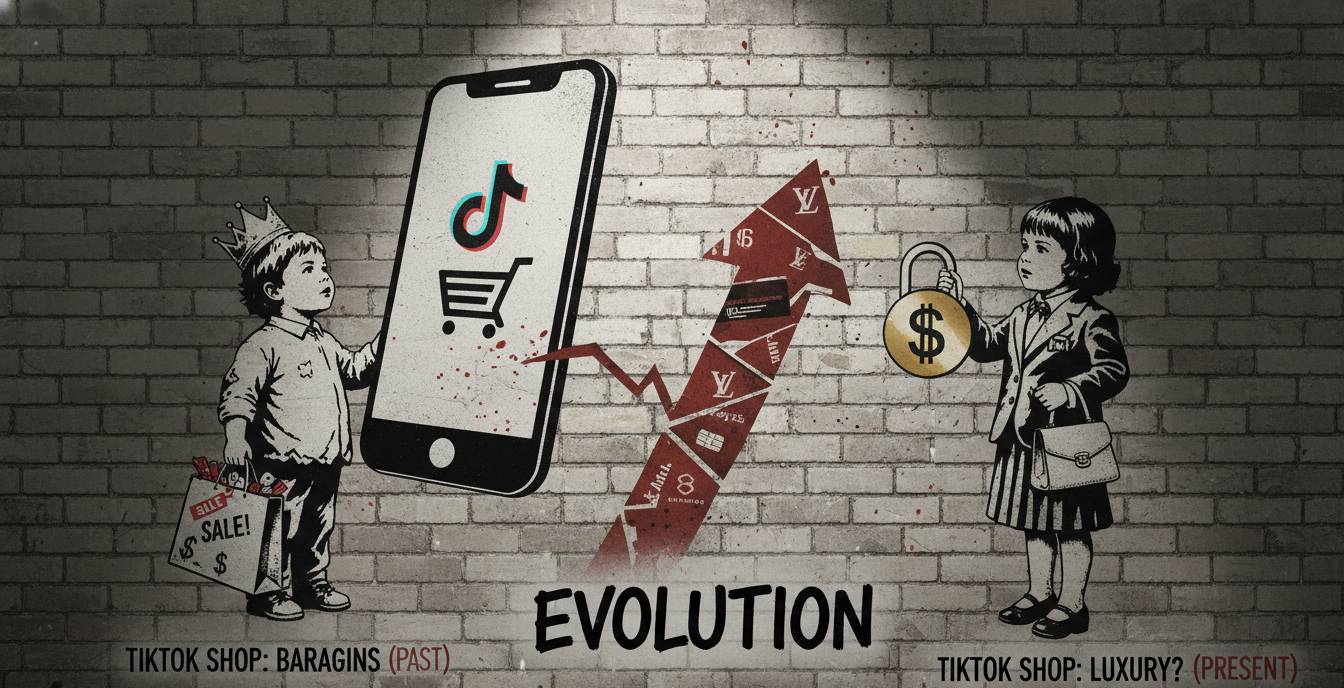
Recent trends, however, suggest that this era of ultra-low pricing is waning. Data from e-commerce intelligence firm Charm, shows that average prices across multiple TikTok Shop categories have been steadily rising. Footwear, for instance, has seen the most dramatic change, with average prices nearly doubling year-over-year — from around $14.06 in April–October 2024 to $28.64 in the same period in 2025. Other categories are experiencing notable increases as well: sports and outdoor gear prices are up approximately 54%, luggage and bags have risen 43%, and fashion accessories around 42%. Even traditionally lower-priced categories such as women’s apparel and basic electronics are reporting double-digit gains.
Several factors help explain this shift. One major influence is the changing mix of sellers on the platform. While early TikTok Shop listings were dominated by emerging brands offering low-cost items, the marketplace has gradually attracted well-known companies such as Samsung, Disney, and QVC. The presence of established brands naturally raises average prices, as Charm’s CEO Alex Nisenzon noted: “When you have more established brands entering, you’re going to see prices rise across all the categories those brands are playing in.” TikTok has also begun courting the luxury segment, offering authenticated high-end items like Chanel and Hermès handbags — some priced above $10,000 — marking a clear departure from its early “dollar-store” image.
External factors have also played a role. U.S. tariffs on Chinese imports increased sharply in May 2025, with some items facing duties of up to 145%. This surge in import costs has been reflected in listings, particularly in categories such as fashion accessories, luggage, and women’s clothing, where prices spiked 60–70% year-over-year in May alone. These tariff-driven cost pressures, combined with the platform’s evolving seller base, are significant drivers behind the recent price hikes.
Changes in TikTok Shop’s internal policies have contributed as well. The platform’s early model relied on deep discounts and low seller fees to attract users. Starting in 2024, commission rates in the U.S. increased from 2% to 6% (with plans to reach 8%), while the UK followed a similar path, raising fees from 5% to 9%. Higher fees and reduced subsidies make it harder for sellers to maintain rock-bottom pricing, shifting TikTok Shop from a loss-leading marketplace toward a more sustainable e-commerce business.
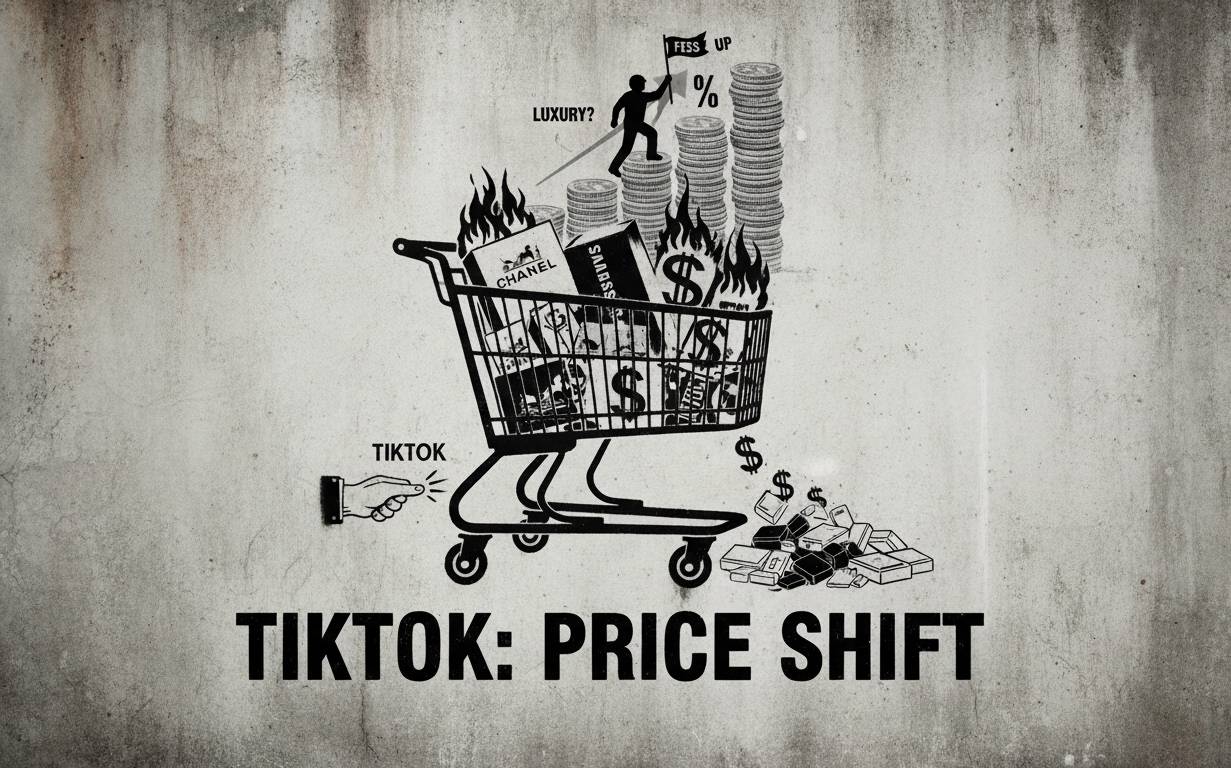
Taken together, these trends illustrate a broader transformation: TikTok Shop is moving beyond its original bargain-centric identity toward a more mature, multi-tiered marketplace. The rise in average prices reflects a combination of higher-quality sellers, tariff pressures, and strategic platform decisions. While consumers may no longer find every product at basement prices, the platform remains a major channel for discovery and purchase.
Regional variations also shape this evolution. TikTok Shop’s U.S. market leads the trend toward higher pricing, but international markets tell a more nuanced story. In Europe, TikTok Shop launched in Germany, Italy, and France in 2025, adding roughly 72 million users. Local policies, fees, and market dynamics will influence pricing there. In Asia, social commerce has been established longer, and lower-cost markets such as Indonesia and Thailand continue to feature inexpensive items, keeping average global prices slightly lower. Yet as the platform expands into regions with rising middle classes, pricier offerings, including authentic luxury goods, are becoming more prevalent worldwide.
For e-commerce brands and TikTok Shop sellers, these developments carry practical implications. Pricing strategies now require careful monitoring to balance fee and tariff pressures with consumer expectations. Highlighting product value and quality — rather than relying solely on price — has become increasingly important, especially as mid- and higher-range products gain visibility. Brands may also treat TikTok Shop as a marketing channel, using strategic discounts or campaigns to drive awareness while protecting margins. Finally, sellers are advised to remain flexible, adapting strategies by region and diversifying sales channels to mitigate platform-specific risks.