Modern Theft Doesn’t Need a Mask - Just a Barcode
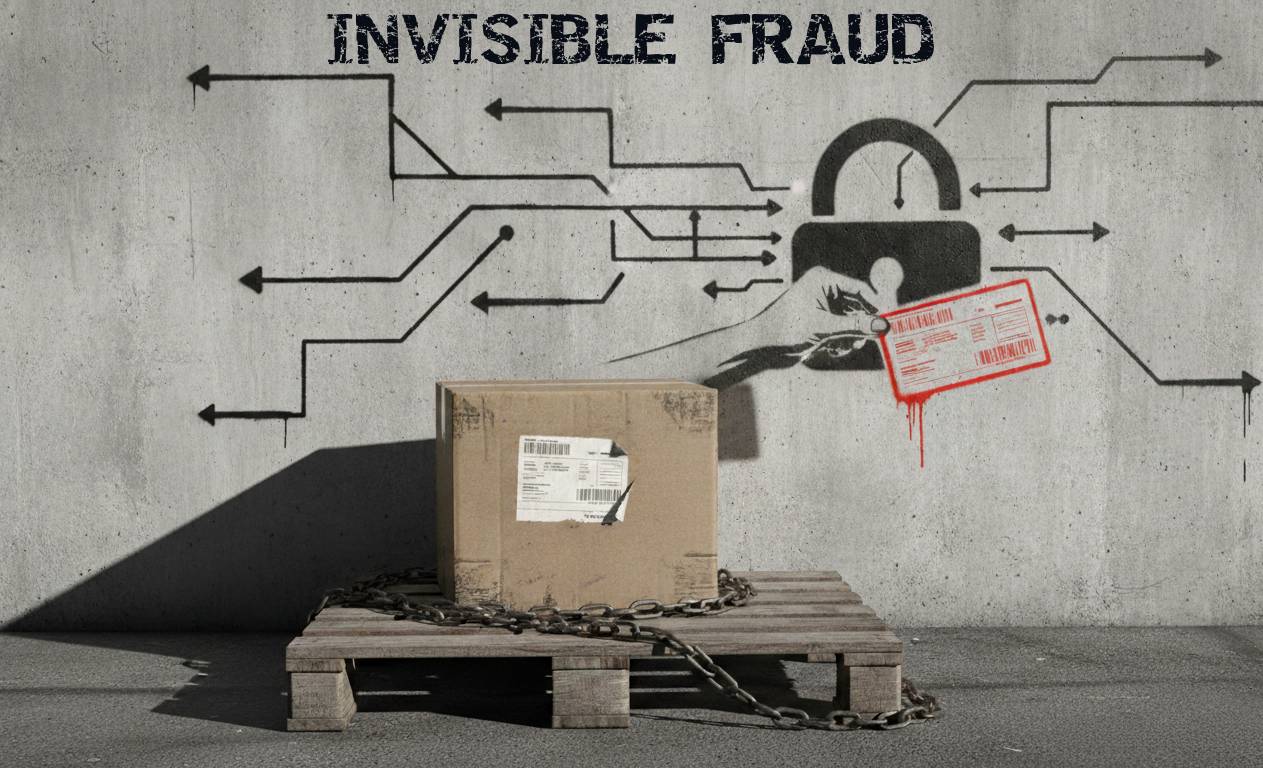
Most people don’t think much about shipping labels.
You order something online, get a tracking number, wait a few days and eventually a package shows up at your door. The label stuck to the box is just part of the process. You probably glance at it for half a second before throwing the packaging away.
But that little label has quietly become part of a growing problem inside the eCommerce world.
Counterfeit shipping labels are becoming more common and most people have no idea how widespread the issue actually is. Shipping companies are reportedly losing millions because of fake postage, manipulated labels and fraudulent shipping accounts. At the same time legitimate businesses are getting squeezed while dishonest sellers find ways to cut costs unfairly.
What makes this problem strange is how invisible it is. The packages still arrive. Tracking numbers still work. Customers usually never notice anything unusual. From the outside everything looks completely normal.
That’s probably one of the reasons the problem has gotten so big in the first place.
So what exactly is a counterfeit shipping label?
A lot of people imagine fake labels as something obvious. Maybe a badly printed sticker or a fake barcode slapped onto a box. In reality many counterfeit labels look completely legitimate. The fraud is often hidden in the shipping data itself.
Sometimes the postage attached to the shipment was never fully paid for. Sometimes the package information is manipulated so the system thinks the shipment is lighter or smaller than it actually is. Other times real shipping labels get copied and reused multiple times. There are also cases where stolen shipping accounts are used to generate labels that look authentic because technically they came from a real account.
To automated systems the shipment may not immediately look suspicious. And because shipping companies process massive numbers of packages every day not everything gets checked carefully. That’s where the problem starts.
Why this got worse during the eCommerce boom
Online shopping completely changed the scale of shipping. Years ago shipping fraud existed but the volume was nowhere near what it is now. Today millions of packages move through carrier networks every single day. At the same time customer expectations became kind of extreme.
People want fast shipping. Cheap shipping. Free shipping. And they want it immediately.
That pressure hits online sellers hard. For a lot of small businesses shipping costs are one of the biggest expenses they deal with. If profit margins are already thin expensive shipping can become a serious problem very quickly.Some sellers absorb the costs. Some raise prices. And some start looking for shortcuts. That’s where things get messy.

The weird world of cheap shipping labels
If you spend enough time in certain online seller communities you eventually run into people offering “discount shipping labels". The deals sound almost suspiciously good. Huge discounts on shipping. Cheap USPS labels. Shipping rates way lower than normal business pricing.
For small sellers struggling with costs, that can sound incredibly tempting. And honestly, some people probably assume it’s legitimate. Maybe they think it’s bulk pricing. Maybe they think somebody has access to special commercial rates. But in a lot of cases those labels come from questionable sources.
Some are tied to stolen accounts. Some involve manipulated postage data. Some exploit weaknesses inside shipping systems. The person buying the label may not even fully understand what they’re participating in. They just know it saves money.
The problem with modern shipping systems
A lot of people wonder why carriers don’t just stop this immediately. But modern logistics systems are built around speed. Shipping companies process unbelievable amounts of packages every single day. Everything is designed to move quickly. Packages get scanned, sorted, loaded and transported constantly. If every shipment required deep manual inspection the entire system would slow down badly.
So carriers rely heavily on automation. That works most of the time. But fraudsters understand how these systems operate. They know that when millions of packages move through networks daily some fake labels can slip through without being noticed right away. Especially if the fraud is subtle. For example, if a package is slightly heavier than what the label claims, that discrepancy may not immediately trigger attention. Or if barcode data has been manipulated carefully enough, the system may still process it normally.
The fraud hides inside the scale and speed of the network itself.
One fake label doesn’t sound serious until you multiply it
One package with fake postage might not seem like a huge issue. But that’s not really the point. The problem is scale. If thousands or even millions of packages move through the system with unpaid or underpaid postage, the losses become enormous. And eventually somebody has to absorb those losses. Shipping companies can’t keep losing money forever without responding somehow. Usually that response comes in the form of higher prices, stricter policies or more verification systems.
That means the effects eventually spread beyond the carriers themselves.
Honest businesses end up paying for it too
This is one of the more frustrating parts of the situation. Legitimate sellers end up competing against people cutting shipping costs through fraudulent methods. Imagine running a small online business where you pay full shipping costs for every order. Then another seller manages to lower their expenses dramatically using manipulated labels or fake postage. That seller can offer lower prices or cheaper shipping options to customers. Suddenly honest businesses are competing against artificially lower costs. For small businesses already struggling with marketplace fees and rising expenses that can become a real problem. Especially online where competition is brutal.
Customers usually never notice
Most customers have no idea this is happening. Their package arrives normally so from their perspective everything worked. That’s what makes this kind of fraud different from something like credit card theft or hacked accounts.
There’s no obvious visible damage. No dramatic moment where people suddenly realize something went wrong. The losses happen quietly in the background.
But eventually those costs spread throughout the system. Higher shipping fees. Extra surcharges. Stricter shipping policies. More expensive products.
Even customers who never touch counterfeit labels can still end up paying for the effects indirectly.
Shipping companies are trying to fight back
Carriers know this issue is serious. A lot of shipping companies have started investing in better fraud detection systems. Some facilities now automatically scan package dimensions and weight while shipments move through sorting centers. If a package claims to weigh two pounds but actually weighs ten the system can flag it. Companies are also using software designed to detect suspicious shipping behavior. For example, accounts generating unusual activity patterns may get investigated more quickly.
Artificial intelligence is becoming part of this too. Large systems can analyze shipping data and identify patterns humans would probably miss. But fraud changes constantly. Every time detection systems improve, new methods appear. So it turns into an ongoing back-and-forth battle.
There’s also a strange mindset around this stuff online
One thing people don’t really talk about enough is how normalized certain types of online fraud have become. Some people don’t even view shipping label fraud as serious. They see it as gaming the system. Or finding loopholes. Or just another online “hack.”
In certain communities people openly share methods for cutting shipping costs in questionable ways.
The attitude becomes something like:
“Big companies can afford it anyway.”
But when enough people start thinking like that the damage adds up fast.

This problem says something bigger about modern systems
What makes this issue interesting is that it reflects a larger problem with highly automated systems in general. Modern logistics networks depend heavily on trust and automation. When millions of transactions happen constantly systems can’t realistically verify every single detail manually.
That creates vulnerabilities. Once people figure out how to exploit weaknesses inside those systems the abuse can spread quickly. And this doesn’t only happen in shipping. You see similar problems in online advertising, payment systems, financial fraud, and digital marketplaces. Automation creates efficiency. But it also creates opportunities for invisible fraud happening quietly at scale.
What probably happens next
Realistically this issue is probably going to keep growing for a while. eCommerce continues getting bigger. Shipping networks continue expanding. And fraud usually follows wherever large systems and money exist together.
Shipping companies will probably keep increasing security measures. Verification systems will likely become stricter. More automated checks will appear. And shipping costs may continue rising as carriers try to recover losses and improve fraud detection.
Unfortunately those costs rarely stay isolated. Businesses feel them. Customers feel them. Eventually everyone inside the system feels them.
Final thoughts
Counterfeit shipping labels sound like a small issue at first. But when you look deeper they reveal a much bigger problem inside modern eCommerce and logistics systems. The fraud is often invisible. Packages still arrive. Tracking still updates. Customers usually never realize anything unusual happened.
Meanwhile behind the scenes shipping companies lose money, legitimate businesses face unfair competition and logistics systems become more expensive to operate. And because the problem stays mostly hidden from public attention a lot of people still don’t realize how serious it’s becoming.
The next time you get a package delivered you probably won’t think much about the label attached to the box. But inside the shipping world that little sticker has quietly become part of a much larger problem that nobody really talks about enough.