If voting changed anything they’d make it a subscription
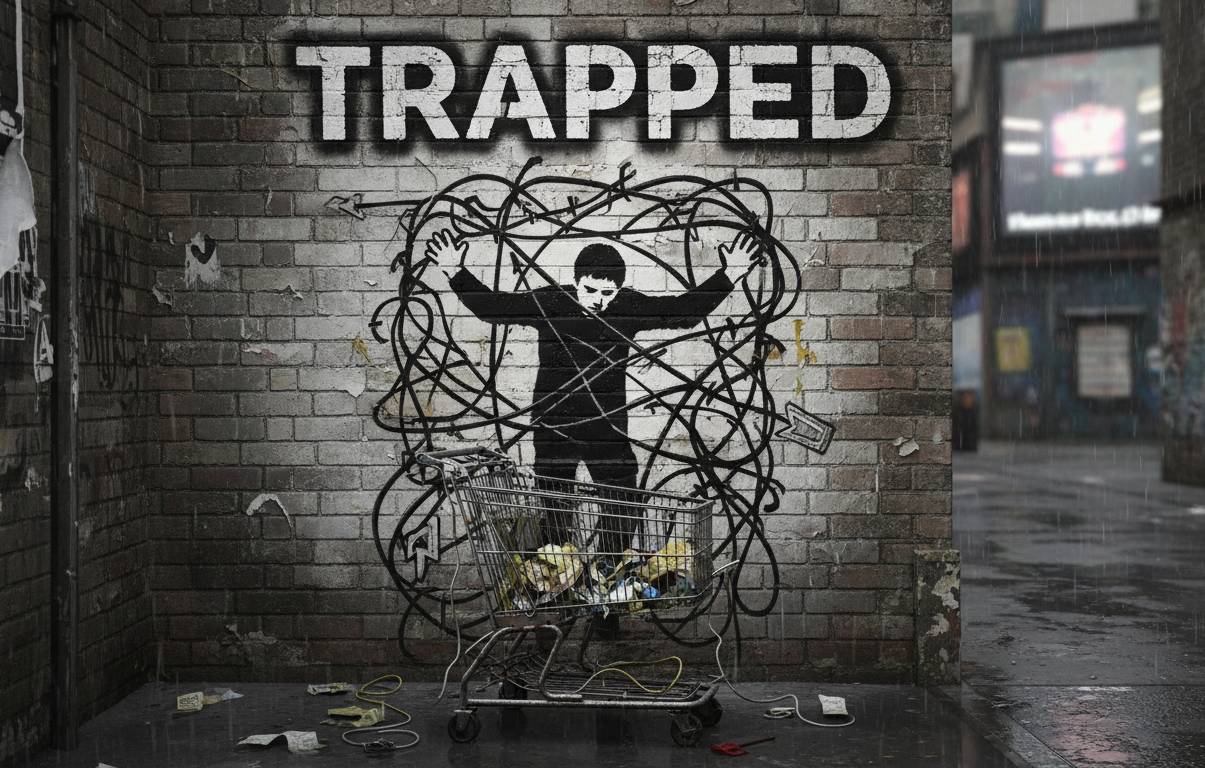
Subscription models have exploded across industries - from streaming video and music to software-as-a-service and food-delivery kits. While convenient this trend has spurred a new problem: “subscription traps”. These occur when companies make it easy to sign up but difficult to cancel or hide key renewal terms often using deceptive interface designs. Regulators now consider many of these tactics to be illegal “dark patterns” and are enacting new laws to combat them. Worldwide, consumer agencies are stepping up enforcement and introducing bans on manipulative practices. For example in the UK it’s estimated that 10 million subscriptions are unwanted (costing consumers ~£1.6 billion per year) so the government is cracking down with rules requiring clear pricing and easy cancellation. In the US the FTC has fined or sued companies like Amazon, Uber and Chegg for “subscription traps” and is pushing a new rule to mandate one-click cancellations. In Asia Singapore’s consumer watchdog and Korea’s Fair Trade Commission have similarly targeted dark-pattern tactics.
This article explores these trends: the latest legislation and regulations around subscription renewals globally, the legal definitions of dark patterns, recent enforcement actions and common deceptive UX tricks to watch out for. The bottom line: if your service auto-renews or relies on subscriptions you need to remove the traps - or face serious penalties.
The rise of subscription models and traps
Subscriptions are a double-edged sword. On one hand they offer convenience and often lower upfront costs. A report notes the average consumer in some countries has three active subscriptions spending hundreds per year. The global subscription economy is huge - yet reports suggest a significant fraction of these subscriptions are unwanted. For example UK research found 5.8% of subscriptions are unwanted largely due to free trials rolling over or auto-renewing without clear notice. In practical terms nearly £1.6 billion per year is lost by UK consumers on subscriptions they didn’t really want.
Where do these unwanted subscriptions come from? Often from dark patterns - UX tricks that nudge or trick people. Typical scenarios: signing up for a “free trial” with one click and later discovering there was no clear reminder before billing starts; hiding the “Cancel Subscription” button behind several menus; making you wait on hold forever if you try to quit or even burying mandatory fees in fine print. Until recently some companies thought these practices were clever retention strategies. Now they face a legal reckoning. Regulators have heard countless consumer complaints about being “trapped” in subscriptions they thought ended and they agree - such tricks are unfair.
Global Crackdown: New Laws and Regulations
In the U.S. the Federal Trade Commission (FTC) has long policed subscriptions under existing laws. The key statute is the Restore Online Shoppers’ Confidence Act (ROSCA) which basically says you must disclose everything upfront, get clear consent and allow a simple cancel. But in practice enforcement was sporadic. In 2021 the FTC warned businesses in a formal policy statement that it would go after illegal dark patterns in subscriptions. Since then, under a new leadership, it has ramped up actions: in 2025 alone the FTC sued or settled with companies like Amazon Prime, Uber One, Instacart+, Chegg and JustAnswer over subscription traps. These cases hinge on hiding facts or erecting cancel hurdles. For example Amazon agreed to pay $1.5 billion in refunds after the FTC found it made renewal costs unclear and cancellation difficult. Meanwhile proposed FTC rules (the “Click-to-Cancel” rule) would require one-click online cancellation - a direct response to the frustration of users lost in menus. Several states also have their own subscription or auto-renewal laws, each with notice and exit requirements.
In Europe, regulators have been quietly busy. The EU’s Unfair Commercial Practices Directive (UCPD) already bans “misleading” or “aggressive” tactics which courts interpret to include many dark patterns. New EU laws make this more explicit. The Digital Services Act (DSA, effective 2023) forbids very broadly any UI that impairs users’ autonomous choice. The EU is also revising consumer rules (in the Digital Markets Act and Consumer Rights Directive) to tackle hidden fees and tricky renewals. Although enforcement in the EU still relies on national agencies the message is clear: auto-renewal traps violate fundamental consumer-rights principles. For example Finland recently fined a telecom company for misleading auto-renewals under UCPD rules.
In the UK the government has taken special aim at subscription traps. New legislation (the Digital Markets, Competition and Consumers Act 2024) will come into force around 2026-27, giving consumers stronger protections. These include mandatory clear information before signing up and regular reminders before trial expiries or 12+ month renewals. Crucially if you signed up online you must be able to exit online as well. A 14-day cooling-off period after a renewal is also required. The CMA (competition regulator) has warned it will use its new powers to fine companies for anything that looks like a “subscription trap” under these rules. Even before the law fully kicks in the UK Advertising Standards Authority (ASA) has been warning advertisers about dark-pattern ads noting that distorted choice presentations are likely to breach existing ad codes.
Down under in Australia the approach has been radical. Late in 2024 the government proposed sweeping reforms to the Australian Consumer Law to make unfair sales practices illegal. This includes an outright ban on “unreasonable manipulation” of consumers online, plus specific prohibitions on sneaky subscription tactics (e.g. hidden fees, difficult cancelation, unauthorized trial charges). If passed these rules (expected mid-2027) will empower the ACCC to levy multi-million-dollar fines. The ACCC already listed dark patterns as a priority in its 2026-27 agenda. For now Australian businesses are advised to clean up cancel flows and pricing transparency or face cases under current laws (the ACCC successfully prosecuted ticketing companies for drip-pricing).
In Asia Singapore’s consumer watchdog and Korea’s antitrust regulators have led the charge. Singapore’s CCCS in 2023 released guidelines exposing common digital traps and has taken action against retailers using subscription traps. South Korea’s Parliament in Jan 2024 passed a law (effective Feb 2025) explicitly defining and banning five dark-pattern UI features including “obstructing cancellation” and “false hierarchy” menus. Japan is using existing consumer laws: for instance, recent amendments to its False Advertising law now cover hidden fees and fake reviews. Overall the global picture is unambiguous: agencies are writing the rules to demand ethical subscription design.
Enforcement spotlight: notable cases
Here are a few recent highlights showing how these laws play out:
Amazon (US, 2025): The FTC charged Amazon with using manipulative interfaces to sign up Prime members (e.g. making the cancel button hard to find). Amazon agreed to huge penalties and must redesign its UX. This case underscores that even tech giants are in the crosshairs.
Uber One (US, 2025): FTC and 21 states sued Uber over its premium membership. The complaint alleged riders were enrolled without consent and could only cancel after navigating through 23 screens. The case is pending but it illustrates regulators treating app flows as legally binding terms.
Instacart+ (US, 2025): The FTC settlement found Instacart’s free-trial disclosures were insufficient causing many customers to be charged without realizing it. Instacart paid $60 million in refunds. Post-settlement Instacart agreed to make opt-in requirements clearer.
Chegg (US, 2025): Chegg’s learning platform had a cancel button buried deep in user settings and lacking clear instructions. The FTC found they continued billing hundreds of thousands of students after they tried to cancel. Chegg settled for $7.5M and must simplify its cancel process.
LA Fitness (US, 2025): The FTC sued this gym chain for requiring members to cancel in person or via mail during narrow hours despite ads saying “cancel anytime.” Many consumers were trapped as a result. The suit is ongoing.
Singapore Retailer (SG, 2024): CCCS obtained a court order against an electronics store after finding its website automatically added a paid “membership” to users’ carts without clear consent. The company had not disclosed it was a subscription.
These examples share common threads: hidden information, complicated cancelation steps and the absence of clear opt-out. In each case regulators argued that consumers were unknowingly locked into recurring bills. The outcomes (fines, injunctions, mandated UI fixes) signal that similar behavior elsewhere is likely illegal too.

The anatomy of dark patterns
It helps to recognize specific UI patterns that draw regulatory ire. The table in the previous section lists some but here are a few detailed illustrations:
Confusing Button Labels: An infamous design practice is to label the cancel button with positive-sounding text (like “Keep benefiting” or “Never mind!”) instead of “Cancel”. This exploits framing bias. Regulators consider such tactics misleading if they deceive about consequences.
Endless Pages or Looping Flow: Some sites require users to click through surveys, upsell offers or repeated confirm screens whenever they try to quit. This “sludge” builds mental inertia. The FTC has specifically targeted apps that made users listen to ads or navigate through extra screens before allowing cancellation.
Grayed-out Options: Temporarily disabling the cancel button (e.g. “Unavailable for 24 hours”). Even brief delays can violate rules requiring “easy” cancellation.
Finely Print Conditions: Hiding renewal terms in tabs or links. For example a long paragraph in the Terms saying “Your subscription auto-renews unless cancelled 48 hours in advance” might be considered too obscure unless very clearly emphasized during checkout.
Awareness of these patterns is the first defense. In design review sessions, ask: “Could a user plausibly miss this step or misunderstand this page?” If the answer is yes - fix it.
Business Implications and Best Practices
What does all this mean for companies? In short: Redesign now or pay later. The legal and financial stakes are rising. The average class-action settlement for an auto-renewal suit is approaching millions and regulatory fines can be crippling. Moreover customer backlash is real. Surveys show negative reviews often cite “hard to cancel” as a key complaint. Conversely, clear and fair subscription practices can become a market differentiator. Some forward-looking firms advertise “Cancel anytime online!” as a selling point.
Actionable steps for businesses: Audit every subscription flow end-to-end. This includes web sign-ups, mobile apps, customer service scripts and paper contracts. Compare your process against the rulebooks summarized above. Ensure your UX matches your terms of service. If your sign-up form says “Try 30 days free!” but buried terms automatically enroll customers afterward that’s a hazard. If cancellation requires downloading paperwork that’s a red flag.
In practice, implement cancellation checkers: ask your team to play the role of a customer trying to quit. Time how long it takes and how many clicks. Verify that users receive confirmation upon cancelation (best practice and often required). Update your analytics so you can detect unexpected drop-offs in cancellation funnels (which might indicate confusion).
Finally invest in compliance training. Designers and product managers should know that shady patterns are not just ethically dubious but legally risky. Legal counsel should review marketing claims about “unlimited” trials or “best” savings - superlatives can backfire if not literal.
Future Outlook
Regulatory attention to dark patterns is a global wave not a fad. We expect more countries will follow suit (e.g. Indonesia and India are drafting digital consumer protection rules). Even jurisdictions without explicit laws can use general consumer codes to penalize egregious traps. Watch for new GDPR guidance on consent as it may extend to subscription flows too.
Technological developments may also help consumers fight back. Browser extensions to highlight hidden fees or public “cancelation portals” advocated by consumer groups could emerge. Regulators may require periodic UI audits or “digital fairness” certifications. In the U.S., if the FTC’s proposed Click-to-Cancel rule clears legal hurdles, all online subscriptions will legally need a one-click cancel button.
In summary: Subscription traps are now firmly in the crosshairs of consumer protection authorities. The playing field is shifting - companies that once used borderline tactics now must prioritize transparency. The trend is irreversible: the law increasingly equates good UX with legal compliance. Businesses should act decisively to eliminate dark patterns in their subscription processes. As consumers become savvier and regulators tougher, the safest course is simple: no traps, just straightforward subscription options.